
Equity markets were mixed last week with value-focused stocks outperforming growth-focused stocks. For the week, the S&P 500 Index was +0.1%, the Dow Jones Industrials +0.4%, and the NASDAQ -0.2%. The Health Care, Energy, and Materials sectors led the S&P 500 Index, while the Consumer Discretionary, Utilities, and Industrial sectors lagged. The 10-year U.S. Treasury note yield was 4.147% at Friday’s close versus 4.093% the previous week.
The U.S. government shutdown ended after both the Senate and House of Representatives voted to fund the government through January 30, 2026. The bill did not include subsidies for the Affordable Care Act. These are set to expire at year-end, but Senate Democrats were promised a vote on the issue next month.
We will see some economic data released this week. The September Employment Situation report is scheduled for release on Thursday. Investor expectations have shifted for the next Federal Reserve rate cut to January from December. An additional rate cut is currently expected in April.
The earnings reporting season is in its final weeks with 92% of companies in the S&P 500 Index complete. This week has 13 companies in the S&P 500 Index scheduled to report results. Third quarter S&P 500 Index earnings growth is forecast at 13.1% with revenue growth of 8.3%. This is a large increase from the 8.0% earnings growth and 6.3% revenue growth for the quarter expected at the start of the earnings period last month. Full-year 2025 earnings are expected to grow by 11.7% with revenue growth of 6.8%.
In our Dissecting Headlines section, we look at the decision to stop minting the penny.
Financial Market Update

Dissecting Headlines: Farewell Penny
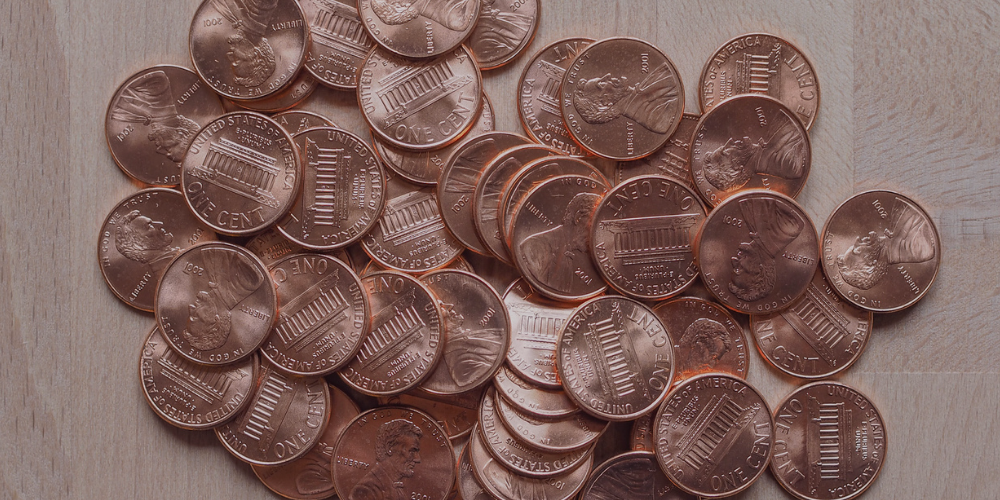
The U.S. has stopped making new pennies. Existing pennies will continue to circulate and remain legal tender. The U.S. Mint in Philadelphia struck the final circulating penny on November 12th. This ends a 232-year production run since the first issued penny in 1793.
The decision was made because each penny cost roughly 3.69 cents to produce and distribute, based on an estimate from the Treasury. Treasury officials estimate the change will save about $56 million per year. This is not an unprecedented move. Canada, New Zealand, Australia and several European countries have already eliminated their smallest coin and adopted a 5-cent rounding rule for cash purchases.
Coins seem to have declining usefulness in a digital economy. Billions of pennies wind up in jars, drawers, couch cushions, or are simply lost. Limited collector issues of the penny will continue in small quantities.
A broader framework will depend on how the Common Cents Act (currently pending legislation) and related legislation progress in Congress over the next year. The nickel could be next since each nickel costs approximately 13.78 cents to produce and circulate, creating an annual loss of around $17.7 million.